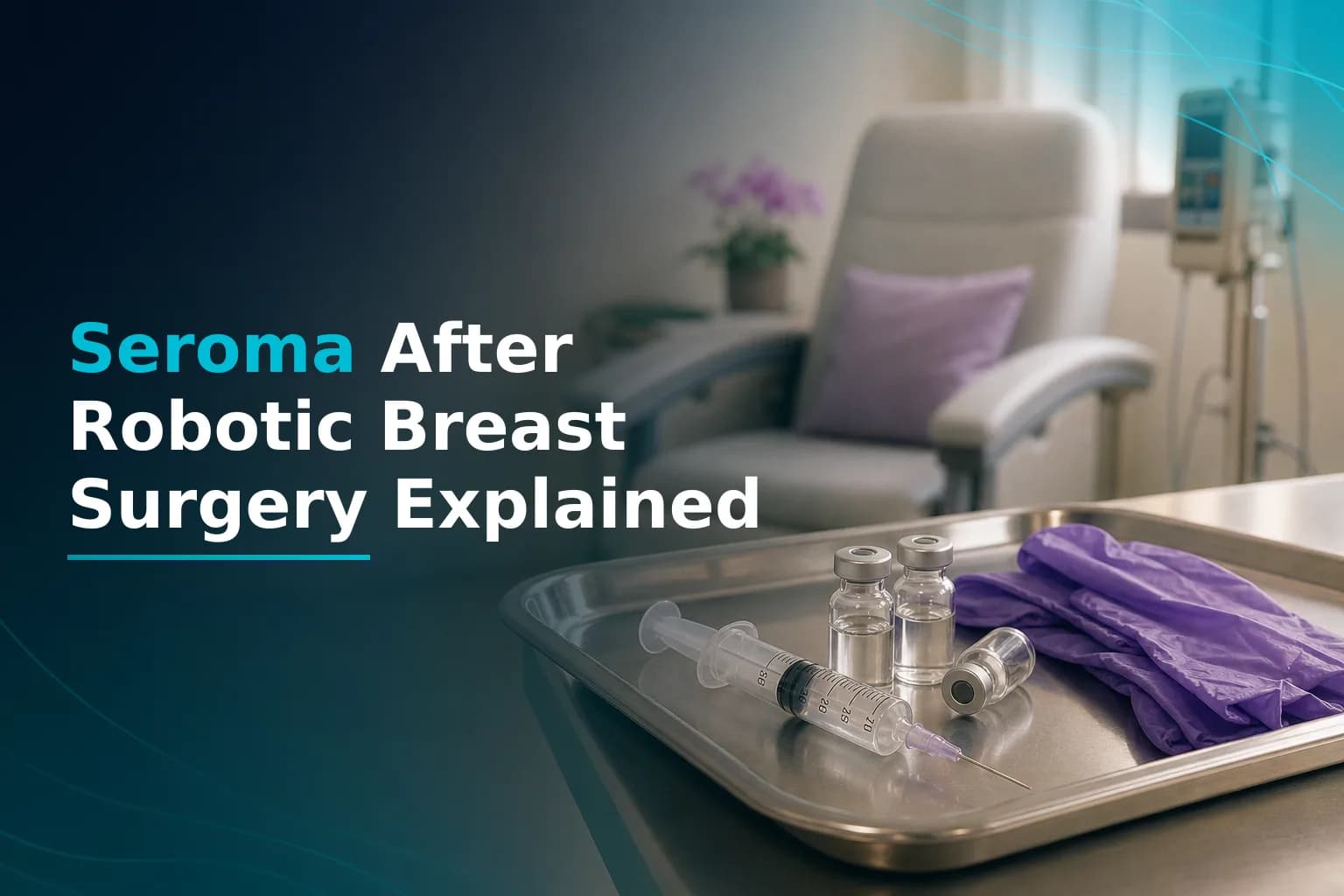
A seroma is a pocket of fluid that gathers under the skin after breast surgery. It is one of the most common problems after surgery. Most seromas go away on their own within a few weeks. Some need to be gently drained at a clinic. Knowing the signs and what to expect helps you act quickly and recover with less worry.
What Is a Seroma?
Breast surgery removes tissue, which makes your body respond with inflammation. This causes fluid to seep from nearby blood vessels and lymphatic channels. That fluid pools in the empty space the surgeon left behind - sometimes called dead space. The result is a soft, sometimes visible swelling under your skin in the breast, chest wall, or armpit.
The fluid is usually clear or pale yellow. It is not an infection, and a seroma does not mean your surgery went wrong. It is simply how your body fills a gap while healing.
According to Cancer Research UK, fluid collecting near the wound or armpit after breast surgery is normal and usually goes away on its own. But larger or uncomfortable seromas sometimes need draining.
Why Does Seroma Form After Robotic Breast Surgery?
Robotic breast surgery makes small keyhole cuts and uses robot-assisted tools to do mastectomy or breast-conserving surgery with great precision. This approach causes less bleeding and less damage to surrounding tissue than standard open surgery. But your body still needs to close off the space left inside after tissue is removed. That healing can lead to fluid buildup.
Seroma can happen after any type of breast surgery, robotic or traditional. Research on seroma published by the National Institutes of Health found that seroma happens in 14% to over 43% of cases after mastectomy, depending on how the surgery is done and the patient's individual factors. For breast-conserving procedures such as lumpectomy, the range is about 6% to 37%.
Robotic techniques use smaller cuts and handle tissue more precisely, which may reduce seroma risk in some patients. Research comparing robotic and open surgery for seroma rates is still being developed. What is clear is that the risk does not disappear entirely, so knowing what to look for during recovery matters for every patient.
What Are the Signs of a Seroma?
Seromas usually appear within the first two to three weeks after surgery, often after a surgical drain is removed. You may notice:
- A soft, fluid-filled swelling beneath the skin of the breast, chest wall, or underarm
- A sense of fullness or pressure at or near the surgery site
- Skin that feels stretched or warm over the swelling
- Mild tenderness when you press the area
A small seroma might only be noticeable by touch. You might feel a slight bulge but not see anything clear. Larger ones look like a smooth lump under the skin. Many patients say a seroma feels like a small water balloon just under the surface.
Sharp or spreading pain, clear redness, increasing heat, or any discharge from the wound might mean infection instead of a simple seroma. Breast Cancer Now says patients should contact their care team if swelling is getting bigger, the area becomes painful, or the seroma is pressing on the healing wound. Do not wait for your next appointment if you see these signs.
Who Has a Higher Risk of Developing a Seroma?
Several factors can increase the chance of a seroma forming after breast surgery. These include:
- Older age - Research published by the NIH found that patients who got seroma after mastectomy had an average age of 73, compared to 52 in those who did not (PMC, 2023).
- Higher body mass index (BMI) - More fatty tissue can make it harder for your body to close off dead space naturally.
- Lymph node removal from the armpit - This disrupts how lymph drains in that area and can increase fluid production.
- Immediate breast reconstruction - When reconstruction is done at the same time as mastectomy, it extends the operation and creates more places where fluid may build up.
- Larger breast volume - A larger mastectomy specimen is linked to a greater chance of seroma.
- Diabetes - This condition can affect wound healing and how fluid is managed in tissue.
- Previous radiotherapy to the breast - Radiation changes tissue and can reduce the ability to soak up fluid after surgery.
Knowing your risk factors before surgery helps you and your care team plan the right monitoring. Your surgeon can go through these factors with you before surgery.
How Can Seroma Be Prevented After Robotic Breast Surgery?
No single technique completely eliminates seroma risk, but several approaches may reduce how much fluid builds up or how long it takes to clear.
Surgical Drains
Many surgical teams place a thin drain tube under the skin at the end of surgery to remove fluid as it builds up in the first days of healing. Drains usually come out once the daily fluid output drops below a level your surgeon sets - usually within 5 to 10 days. Research on the NIH website found that drain use is one of the most effective ways to reduce how much seroma forms and how often it happens after mastectomy.
Quilting Sutures
Some surgeons use internal stitches called quilting sutures to attach the skin flap to the chest wall muscle underneath. This divides the dead space into smaller compartments, making it harder for fluid to pool. Combining quilting with drain placement cuts both how often seroma happens and how much fluid collects compared to using a drain alone.
Limiting Heavy Arm Activity in the First Two Weeks
Your care team might tell you to avoid heavy lifting and repetitive overhead arm movements for the first 10 to 14 days after surgery. Avoiding these activities keeps the healing tissue from getting stimulated and can reduce fluid production. But you should do gentle arm and shoulder movements from the start. These keep stiffness away and help your lymphatic system work. Physical therapy helps you find the right balance. For a detailed guide to movement in the weeks after your procedure, see our article on physiotherapy and exercises after robotic breast surgery.
Pre-Surgery Preparation
Getting ready well before your surgery can help lower the risk of problems after surgery. This means reaching a healthy weight if you can, quitting smoking before surgery, and working with your GP to manage conditions like diabetes. Our guide on prehabilitation before robotic breast cancer surgery lists all the steps you can take in the weeks before your surgery.
How Is a Seroma Treated?
Small seromas that do not cause pain usually go away on their own. Your body gradually soaks up the fluid, and most small seromas clear within a few weeks without treatment.
When a seroma causes pain, limits arm movement, or does not shrink, it can be drained with a simple procedure called aspiration. A nurse or doctor uses a fine needle and syringe to draw off the fluid. Norfolk and Norwich University Hospitals NHS Foundation Trust explains that the area around a surgical wound is often still numb in the first weeks after surgery, so aspiration usually just feels like a small prick. The procedure takes just a few minutes and happens in an outpatient clinic.
Seromas sometimes fill up again after aspiration. This is normal and expected - not a sign something went wrong. You might need drainage several times over a few weeks before the seroma fully goes away. Most seromas clear within 4 to 8 weeks, even if they have been drained more than once. In rare cases where a seroma keeps coming back or gets very large, a minor surgery might be done, but this is uncommon.
Seroma and Lymphoedema: Understanding the Difference
Both seroma and lymphoedema involve fluid building up near the breast or arm, and it is natural to worry that one might turn into the other. But they are different conditions with different causes and timelines. A seroma forms right at or near the surgery site in the first weeks of healing and usually goes away as tissue closes and changes shape. Lymphoedema is a longer-term condition often in the arm, hand, or breast. It is caused by lasting changes to how lymph drains in your body. It can develop months or even years after surgery or radiation.
If your arm or hand stays swollen long after the surgery site has healed, ask your care team to check it separately. Our guide on lymphoedema risk after robotic breast surgery covers how to prevent it and manage it early.
If You Are Considering Robotic Surgery Abroad
Some UK women get robotic breast surgery at specialist centers in India, where advanced robotic techniques can be faster and cheaper than private surgery in the UK. If you are thinking about this, it is important to understand how seroma follow-up would work when you come home.
Usually, surgical drains are removed and the site is checked before you leave the hospital. If a seroma develops after you come back to the UK, your GP, breast care nurse, or local hospital can drain it - you do not need to go back to where you had surgery. The important thing is getting a clear written plan from your overseas surgery team and knowing who to call in the UK if you notice symptoms.
If you are still comparing options and want an expert view before choosing a surgical pathway, Art of Healing Cancer can review your reports confidentially and help you understand what robotic options are available and how care after surgery would work across countries.
When to Talk to Your Doctor
Contact your breast care nurse or surgeon right away if you notice any of the following after your surgery:
- Swelling that is growing instead of going down slowly
- Pain at the surgery site that is more than mild soreness
- Redness, getting warmer, or any discharge from the wound - signs infection might be starting
- Tightness that is keeping you from moving your arm
- Fever or a general feeling of being unwell
Do not wait for your next appointment if these signs show up. In the UK, your breast care nurse is usually the easiest person to call first and can tell you if you need to be seen the same day. If you are getting close to your surgery date and want to talk about what recovery will involve - including how seroma would be watched and handled - you can send a private message through BreastCancer.One. Female coordinators there are ready to guide you through everything.
This article is general information and not a replacement for medical advice. Always talk to your oncologist or care team about your own situation.